

By Cèlia Gisbert, founder of Caretta Marketing Náutico · Published on 26 October 2026
Google Ads works very well for a yacht charter or boat rental business because it reaches people who are already searching for a boat trip in your area. The key is to use Search campaigns with location and booking-intent keywords, exclude the searches you don’t want, track every booking and start in the low season, when there is time to learn and adjust.
Why Google Ads is your best ally for filling your boat
When the high season arrives, searches like “boat charter Mallorca” or “skippered boat hire Barcelona” shoot up. At that point, the businesses that have already worked on their strategy take a large share of the bookings.
The difference from other channels is intent. On social media you interrupt someone who is looking at something else; on Google you answer someone who is searching for exactly what you offer. That makes it one of the most direct channels for getting bookings, as long as the campaign is set up properly.
And that is why the low season is the best time to start: while others rest, you can test keywords and ads and collect data that will give you an edge when demand picks up again.
Which types of campaign work for yacht charters
1. Search campaigns
They are the foundation and the most effective way to reach customers who are ready to book. Your ad appears when someone searches for something like “yacht rental Costa Brava with skipper” or “boat trip Ibiza”. Always start here.
2. Remarketing for people who have already visited you
Many people look at several options before booking. With remarketing you show your boat again to people who visited your website but didn’t book, for example with the same trip they looked at or an offer for specific dates. In Google Ads this is done with audience lists within your campaigns.
3. Demand Gen and Performance Max, once you have data
Demand Gen campaigns show visual ads on YouTube, Discover and Gmail, and Google is folding the old Display campaigns into them. Performance Max spreads your ads across all Google channels automatically. Both can work well for building brand visibility, but they perform better when you already have measured conversions to guide them. They are not the first step.
Keywords that convert (and the ones to exclude)
In our campaigns for nautical businesses, the most profitable keywords usually share three traits:
- They specify the location: “boat charter Lanzarote”, “sailboat rental Barcelona”.
- They show booking intent: “book”, “rent”, “hire”, “price”.
- They describe the service: “private charter with skipper”, “sunset sail”, “catamaran trip”.
Combine international searches (“boat charter Spain”) with local ones (“skippered boat hire Mallorca”) and, if you work with tourists, try versions in English, French or German, as well as the local language.
Just as important is what you don’t want to trigger your ads. Add terms such as “jobs”, “crew vacancies”, “course”, “free”, “second hand”, “boats for sale” or “toy” as negative keywords. Check the search terms report every week: that’s where you’ll discover which searches you’re really paying for.
How to structure your first campaign
- One Search campaign per area or language. If you work with English-speaking tourists and a local Spanish-speaking audience, keep them separate to control budget and messaging.
- Ad groups by type of experience: day trip, sunset sail, skippered charter, events. Each group with its own keywords and ads.
- A landing page for each experience. If someone searches for “sunset sail”, they should land on your sunset trip page, not your home page.
- Conversion tracking from day one: booking forms, WhatsApp clicks and calls.
- Ad extensions (assets): links to your trips, call, location and callouts such as “skipper included” or “flexible cancellation”, if they apply to you.
Budget: how to start without burning money
There is no figure that works for everyone: it depends on your area, the competition and the price of your trips. What we do recommend is starting with a budget you can sustain for several weeks in a row, so the campaign has time to gather data, and focusing it on the searches with the strongest intent.
Once you know how much it costs you to get a booking and how much each one earns you, you’ll be able to decide with data how much to invest in the high season.
Common mistakes that waste money
- Not checking your location settings. By default, Google shows ads to people who are in your area or show interest in it. For a charter selling to tourists that is usually good, because it reaches people planning their holidays from abroad. But it’s worth checking and, if you only work with a local audience, limiting it to people who are in the area.
- Sending all your traffic to the home page instead of a specific page for each experience.
- Not tracking conversions. Without booking data, Google can’t optimise and you don’t know what works.
- Changing your ads all the time. Automated bidding strategies need time and data to learn.
- Forgetting negative keywords, the most common budget leak.
How to measure results
A well-managed campaign can deliver results within a few weeks, but you need to look at the right metrics:
- Conversions: bookings, forms, WhatsApp clicks and calls.
- Cost per conversion: how much each enquiry or booking costs you.
- Click-through rate (CTR): whether your ads appeal to people searching.
- Search terms: which real searches you are paying for.
At Caretta we review these metrics continuously to adjust ads, keywords and budget.
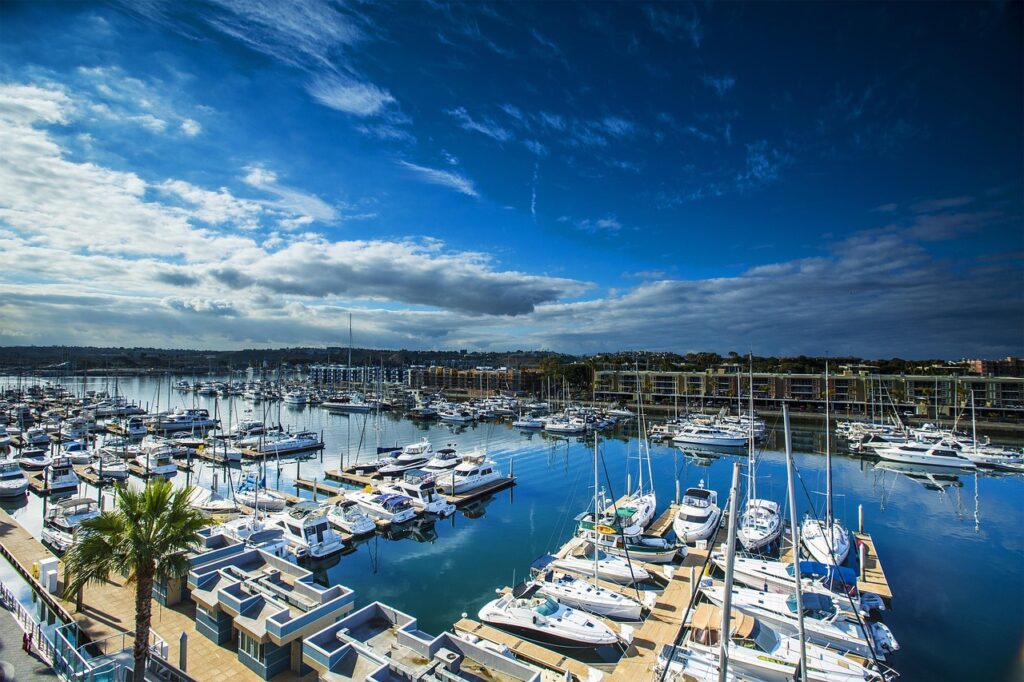
Low season: the best time to start
November to February is when you should prepare your strategy. You have time to build the structure properly, test messages and gather real data before March. That way, when the season starts, your campaigns will already be live, fine-tuned and with a track record, and you can increase investment in what has already proven to work.
Frequently asked questions
How much should a yacht charter invest in Google Ads?
It depends on the area, the competition and the price of your trips. We recommend starting with a budget you can sustain for several weeks to gather data, and deciding your high-season investment once you know how much each booking costs you.
Is Google Ads or Meta Ads better for boat rentals?
They do different jobs. Google Ads reaches people who are already searching for a boat and usually brings more direct bookings. Meta Ads (Facebook and Instagram) sparks interest before people start searching. Ideally, combine them according to your season and budget.
Do my ads need to be in English?
If you work with tourists, yes: many will search for you in their own language. The best approach is to separate campaigns by language and make sure each ad leads to a page in that same language.
How long does a campaign take to deliver results?
The first enquiries can arrive within a few days, but a campaign needs several weeks of data to optimise. That’s why it’s best to start in the low season rather than waiting until June.
Conclusion: don’t wait for the season to start selling
At sea, whoever sets sail first goes furthest. The same is true in marketing: the businesses that prepare their campaigns in the low season are the ones that fill their boats before summer.
To strengthen the rest of your customer acquisition, read also how to bring this summer’s customers back next season. And if you’d rather we helped you design, set up and optimise your ads, take a look at our nautical marketing services.